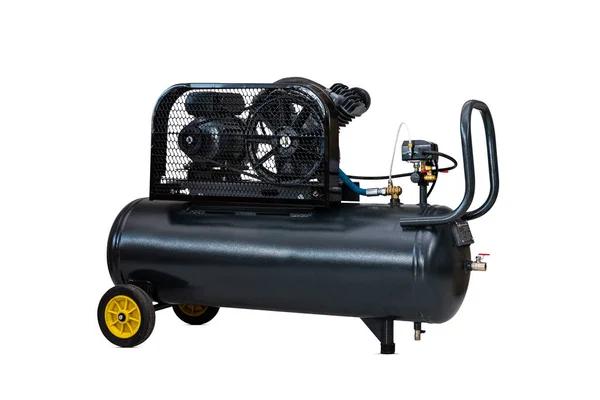
A pressure tank plays a crucial role in maintaining consistent water pressure within a water supply system. This component is essential for homes that rely on well water or any other independent water source, ensuring that the delivery of water remains steady and reliable.
At its core, a pressure tank serves as an intermediary between the pump and the plumbing fixtures throughout a home. It is designed to store pressurized water, which helps to regulate and stabilize the flow of water from the source to various outlets such as faucets, showers, and appliances. By maintaining a reservoir of pressurized water, these tanks prevent pumps from cycling on and off too frequently—an action known as short cycling—which can lead to wear and tear over time.
The operation of a pressure tank is based on simple physics principles involving air pressure. Inside the tank, there is typically an air chamber separated by either a diaphragm or bladder from the chamber containing water. When water enters the tank from the pump, it compresses this air chamber due to increased volume inside the confined space. This compression creates stored energy in the form of pressurized air which exerts force back onto the stored water when needed.
When someone see more turns on a faucet or uses another fixture in their home, this pressurized system allows for immediate access to consistent water without needing to activate the pump immediately. The compressed air pushes down on top of the diaphragm or bladder forcing outwater at steady rate until reaches specific low-pressure threshold triggers pump start again refill tank repeat process ensures uninterrupted service varying demands household use.