
Category: Product

  • How Food Warmer Display Units Help Maintain Food Temperature

    How Food Warmer Display Units Help Maintain Food Temperature

    Food warmer display units play a crucial role in maintaining the temperature of food, especially in commercial settings such as restaurants, cafeterias, and catering services. These units are designed to keep prepared dishes at safe and appetizing temperatures for extended periods without compromising the quality or taste of the food. By providing consistent heat, they prevent food from cooling down too quickly, which can affect both flavor and safety.

    The primary function of a food warmer display unit is to create an environment where heat is evenly distributed around the stored items. This is typically achieved through built-in heating elements that regulate temperature precisely. Many models use thermostats or digital controls to maintain a steady warmth level tailored to different types of foods. For instance, some dishes require gentle warming to avoid drying out, while others need higher temperatures to stay fresh and appealing.

    Another important aspect is humidity control within these units. Maintaining proper moisture levels prevents foods from becoming overly dry or soggy during holding times. Some advanced warmers incorporate steam or water pans that add humidity, preserving texture and preventing crusts from hardening on baked goods or meats. This feature enhances overall presentation while ensuring that customers receive meals that retain their intended consistency.

    Food Warmer Display units also offer visibility alongside functionality. Transparent doors or glass panels allow customers and staff to view the available options without opening the unit frequently. Minimizing door openings reduces heat loss significantly because every time a door opens, warm air escapes and cold air enters. Efficient sealing mechanisms further help trap heat inside, making it easier for these devices to sustain required temperatures with less energy consumption.

    Safety standards are integral when using food warmer displays since improper temperature maintenance can lead to bacterial growth and potential health risks. Most regulations recommend keeping hot foods above 140°F (60°C) during service hours to inhibit microbial contamination effectively. Food warmers equipped with accurate temperature monitoring systems ensure compliance with these guidelines by alerting users if temperatures fall below safe thresholds.

    In addition to preserving warmth for immediate serving times, these units contribute positively toward operational efficiency by reducing waste caused by premature spoilage due to inadequate heating methods like microwaving repeatedly or reheating large batches inconsistently. They enable businesses to prepare meals ahead while guaranteeing freshness upon delivery.

    Overall, food warmer display units combine technology with practical design principles aimed at sustaining optimal serving conditions for various cuisines in professional environments. Their ability to maintain appropriate temperatures safely improves customer satisfaction by delivering consistently high-quality meals ready for consumption whenever needed throughout busy service periods.

  • Mini Split AC Features Worth Looking For

    Mini Split AC Features Worth Looking For

    Mini split air conditioners have become increasingly popular due to their efficiency, flexibility, and ease of installation. When considering a mini split AC system, it is important to focus on features that enhance comfort, energy savings, and convenience. One key feature worth looking for is variable speed compressors. Unlike traditional single-speed compressors that operate at full capacity or not at all, variable speed compressors adjust their output based on the cooling demand. This allows the system to maintain a consistent temperature more efficiently while reducing energy consumption and noise levels.

    Another valuable attribute is inverter technology. Inverter-driven mini splits regulate the motor speed of the compressor continuously rather than cycling it on and off. This leads to smoother operation with less wear and tear on components while improving overall energy efficiency. Systems equipped with inverter technology often provide better humidity control as well because they can run longer at lower speeds without causing excessive dryness.

    The presence of multiple indoor units connected to one outdoor condenser is another advantage offered by many mini split systems. This multi-zone capability enables users to cool or heat different rooms independently according to individual preferences or usage patterns. Such zoning reduces wasted energy in unoccupied spaces and increases overall comfort throughout a home or office.

    Ease of installation should also be considered when selecting a Mini Split AC unit. These systems typically require only a small hole in an exterior wall for refrigerant lines and electrical connections, eliminating the need for ductwork found in central air conditioning setups. Choosing models designed for straightforward installation can save time and reduce labor costs.

    Smart controls are becoming standard features in modern mini splits as well. Wi-Fi connectivity allows users to manage temperature settings remotely via smartphone apps or integrate with home automation systems like Alexa or Google Assistant. Scheduling functions help optimize energy use by adjusting temperatures during times when rooms are empty or occupants are sleeping.

    Air filtration capabilities contribute significantly to indoor air quality improvements provided by mini splits. Look for units that include washable filters or advanced options such as HEPA filters or ionizers if allergies or respiratory concerns exist within the household.

    Lastly, consider noise levels reported by manufacturers since quieter operation enhances user experience especially in bedrooms or study areas where distractions must be minimized.

    In summary, focusing on variable speed compressors, inverter technology, multi-zone functionality, ease of installation, smart controls, effective air filtration, and quiet performance will ensure you select a high-quality mini split AC system tailored to your needs while maximizing comfort and efficiency year-round.

  • Commercial Refrigeration Strategies for Improving Operational Efficiency

    Commercial Refrigeration Strategies for Improving Operational Efficiency

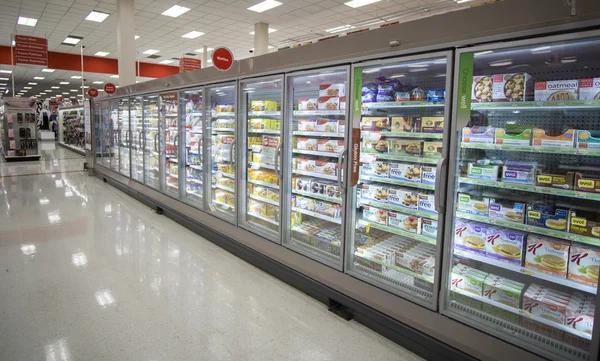
    Improving operational efficiency in commercial refrigeration is essential for businesses aiming to reduce costs, enhance performance, and maintain product quality. Effective strategies involve a combination of equipment optimization, maintenance practices, and energy management techniques tailored to the specific needs of the operation. One key approach is selecting energy-efficient refrigeration units that match the scale and requirements of the business. Modern systems with advanced compressors, variable speed drives, and environmentally friendly refrigerants not only consume less power but also offer better temperature control. Investing in these technologies can lead to significant savings over time while supporting sustainability goals.

    Regular maintenance plays a critical role in sustaining optimal refrigeration performance. Scheduled inspections help identify issues such as refrigerant leaks, worn seals, or dirty coils before they escalate into costly repairs or inefficiencies. Cleaning condenser coils frequently ensures proper heat exchange and prevents excessive energy consumption caused by blocked airflow. Additionally, maintaining appropriate door gaskets reduces cold air loss and minimizes compressor workload. Training staff on proper usage habits complements technical upkeep by encouraging behaviors that prevent unnecessary strain on equipment.

    Temperature monitoring systems are another valuable tool for improving operational efficiency in Commercial Refrigeration settings. Automated sensors provide real-time data that enables quick adjustments to maintain consistent temperatures within safe ranges for stored products. This precision helps avoid spoilage due to fluctuations while reducing energy waste from overcooling spaces beyond what is necessary.

    Implementing smart controls further enhances system responsiveness by adjusting cooling output based on ambient conditions or usage patterns throughout the day. For example, defrost cycles can be scheduled during off-peak hours when demand is lower rather than running at fixed intervals regardless of need. Such adaptive management reduces electricity consumption without compromising storage integrity.

    Insulation upgrades contribute significantly by minimizing thermal losses through walls, doors, and display cases commonly found in commercial environments like supermarkets or restaurants. Using materials with higher R-values slows heat transfer from outside sources into refrigerated areas so compressors operate less frequently to maintain target temperatures.

    Finally, integrating renewable energy sources such as solar panels can offset some electrical demand associated with refrigeration operations while aligning with broader environmental initiatives embraced by many companies today.

    By combining these strategies-efficient equipment selection, diligent maintenance routines, precise temperature control technologies, improved insulation measures, and sustainable energy integration-businesses can achieve more reliable refrigeration performance alongside reduced operating expenses and environmental impact over time.

  • Easy 4 string banjo songs for beginners to start playing

    Easy 4 string banjo songs for beginners to start playing

    Starting to play the 4-string banjo can be an exciting journey for any beginner. This instrument, often associated with lively melodies and folk traditions, offers a unique sound that is both charming and accessible. Choosing easy songs to practice early on helps build confidence and develop fundamental skills such as finger positioning, strumming patterns, and chord transitions. For beginners, it is important to focus on simple tunes that use basic chords and repetitive rhythms. One popular choice is “Cripple Creek,” a traditional folk tune that features straightforward picking patterns and familiar chord progressions. Its repetitive nature allows new players to concentrate on timing without feeling overwhelmed by complex changes.

    Another excellent song for novices is “Boil Them Cabbage Down.” This tune uses only two or three chords, making it ideal for those still learning how to switch between chords smoothly. The melody itself is catchy yet uncomplicated, providing ample opportunity to practice right-hand techniques like alternating thumb strokes or simple rolls that are common in banjo playing. Additionally, “Oh! Susanna” remains a timeless classic frequently recommended for beginners due to its easy-to-follow structure and joyful rhythm. It helps players get comfortable with strumming while reinforcing chord familiarity.

    For learners interested in bluesy sounds, “Key To The Highway” adapts well to the 4-string banjo’s tuning and offers a slow tempo suited for practicing bends and slides without rushing through notes. Playing this song encourages expressive phrasing while maintaining simplicity in chord shapes such as E7 or A7 variations commonly used in blues music.

    When starting out, focusing on songs that incorporate open strings along with fretted notes simplifies the learning process because it reduces hand strain and allows smoother transitions between notes. Many beginner-friendly pieces rely heavily on these elements so players can quickly achieve recognizable tunes rather than struggling with difficult fingerings too soon.

    It’s also helpful to learn songs at a moderate pace before gradually increasing speed once accuracy improves. Using recordings or instructional videos can provide valuable guidance regarding rhythm consistency and proper technique execution.

    In summary, selecting easy 4 string banjo songs for beginners like “Cripple Creek,” “Boil Them Cabbage Down,” “Oh! Susanna,” and simplified blues numbers creates an effective foundation for beginners aiming to enjoy their musical progress early on. These pieces emphasize essential skills including basic chord shapes, smooth transitions, steady rhythms, and right-hand coordination-all crucial components of proficient banjo playing over time. By practicing these accessible tunes regularly with patience and focus, newcomers will find themselves advancing steadily toward more challenging repertoire while experiencing the joy of making music from the very start of their banjo journey.

  • Signs you need a Furnace repair service before winter

    Signs you need a Furnace repair service before winter

    As winter approaches, ensuring your furnace is in proper working condition becomes essential for maintaining a warm and comfortable home. Recognizing the signs that indicate your furnace requires repair before the cold season sets in can prevent unexpected breakdowns and costly emergency services. One of the most noticeable indicators is uneven heating throughout your home. If certain rooms feel significantly colder than others despite setting the thermostat consistently, it may suggest problems with your furnace’s heat distribution or airflow system. This issue could be caused by clogged filters, ductwork leaks, or malfunctioning components within the furnace itself.

    Another common sign that warrants immediate attention is unusual noises coming from the Furnace repair service in Clifton when it operates. While some sounds like a gentle hum are normal, loud banging, rattling, or screeching noises often point to mechanical issues such as loose parts, motor problems, or debris stuck inside the unit. Ignoring these sounds can lead to more severe damage over time and reduce overall efficiency.

    A sudden increase in energy bills without a corresponding change in usage patterns also signals potential trouble with your heating system. Furnaces that struggle to maintain temperature due to worn-out parts or inefficiencies consume more power than usual. Addressing these inefficiencies early through professional repair can save money on utility costs and extend the lifespan of your equipment.

    Frequent cycling on and off is another warning sign indicating that your furnace might not be functioning correctly. If you notice short bursts of heat followed by rapid shutdowns instead of steady warmth, this could mean there are issues with thermostats, sensors, or internal controls requiring inspection and repair.

    The presence of yellow flames instead of blue ones during operation should never be overlooked either because it suggests improper combustion which might lead to dangerous carbon monoxide leaks. This situation demands immediate professional evaluation for safety reasons.

    Additionally, if you experience persistent dust accumulation around vents shortly after cleaning or detect an unpleasant odor resembling burning plastic or metal when running the heater, these symptoms hint at underlying electrical faults or overheating components needing expert diagnosis.

    Scheduling a thorough inspection with a qualified technician before winter ensures any emerging problems are resolved promptly while maximizing comfort throughout colder months. Timely repairs not only improve performance but also enhance safety by preventing hazards associated with faulty furnaces. Being proactive about maintenance reduces stress during peak usage periods and protects both household members and property from avoidable risks linked to heating failures during wintertime conditions.