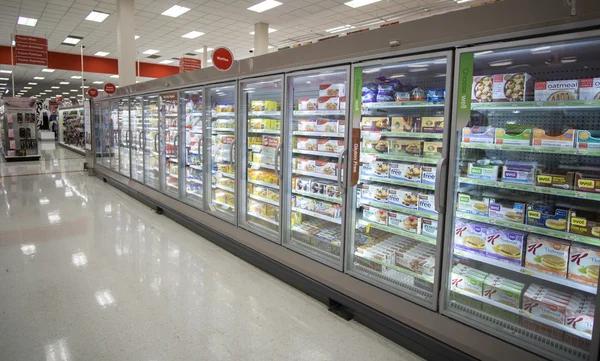
Improving operational efficiency in commercial refrigeration is essential for businesses aiming to reduce costs, enhance performance, and maintain product quality. Effective strategies involve a combination of equipment optimization, maintenance practices, and energy management techniques tailored to the specific needs of the operation. One key approach is selecting energy-efficient refrigeration units that match the scale and requirements of the business. Modern systems with advanced compressors, variable speed drives, and environmentally friendly refrigerants not only consume less power but also offer better temperature control. Investing in these technologies can lead to significant savings over time while supporting sustainability goals.
Regular maintenance plays a critical role in sustaining optimal refrigeration performance. Scheduled inspections help identify issues such as refrigerant leaks, worn seals, or dirty coils before they escalate into costly repairs or inefficiencies. Cleaning condenser coils frequently ensures proper heat exchange and prevents excessive energy consumption caused by blocked airflow. Additionally, maintaining appropriate door gaskets reduces cold air loss and minimizes compressor workload. Training staff on proper usage habits complements technical upkeep by encouraging behaviors that prevent unnecessary strain on equipment.
Temperature monitoring systems are another valuable tool for improving operational efficiency in Commercial Refrigeration settings. Automated sensors provide real-time data that enables quick adjustments to maintain consistent temperatures within safe ranges for stored products. This precision helps avoid spoilage due to fluctuations while reducing energy waste from overcooling spaces beyond what is necessary.
Implementing smart controls further enhances system responsiveness by adjusting cooling output based on ambient conditions or usage patterns throughout the day. For example, defrost cycles can be scheduled during off-peak hours when demand is lower rather than running at fixed intervals regardless of need. Such adaptive management reduces electricity consumption without compromising storage integrity.
Insulation upgrades contribute significantly by minimizing thermal losses through walls, doors, and display cases commonly found in commercial environments like supermarkets or restaurants. Using materials with higher R-values slows heat transfer from outside sources into refrigerated areas so compressors operate less frequently to maintain target temperatures.
Finally, integrating renewable energy sources such as solar panels can offset some electrical demand associated with refrigeration operations while aligning with broader environmental initiatives embraced by many companies today.
By combining these strategies-efficient equipment selection, diligent maintenance routines, precise temperature control technologies, improved insulation measures, and sustainable energy integration-businesses can achieve more reliable refrigeration performance alongside reduced operating expenses and environmental impact over time.