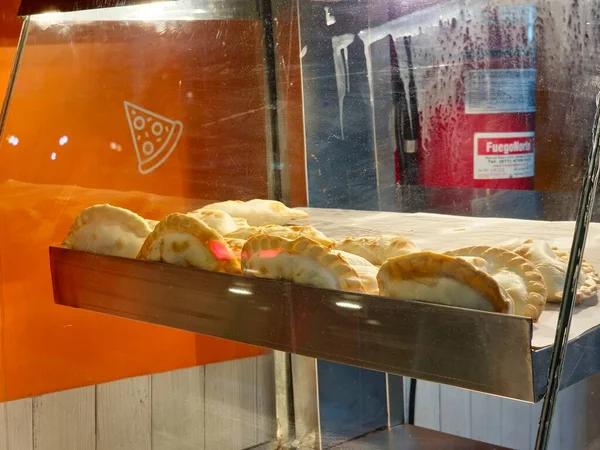
Food warmer display units play a crucial role in maintaining the temperature of food, especially in commercial settings such as restaurants, cafeterias, and catering services. These units are designed to keep prepared dishes at safe and appetizing temperatures for extended periods without compromising the quality or taste of the food. By providing consistent heat, they prevent food from cooling down too quickly, which can affect both flavor and safety.
The primary function of a food warmer display unit is to create an environment where heat is evenly distributed around the stored items. This is typically achieved through built-in heating elements that regulate temperature precisely. Many models use thermostats or digital controls to maintain a steady warmth level tailored to different types of foods. For instance, some dishes require gentle warming to avoid drying out, while others need higher temperatures to stay fresh and appealing.
Another important aspect is humidity control within these units. Maintaining proper moisture levels prevents foods from becoming overly dry or soggy during holding times. Some advanced warmers incorporate steam or water pans that add humidity, preserving texture and preventing crusts from hardening on baked goods or meats. This feature enhances overall presentation while ensuring that customers receive meals that retain their intended consistency.
Food Warmer Display units also offer visibility alongside functionality. Transparent doors or glass panels allow customers and staff to view the available options without opening the unit frequently. Minimizing door openings reduces heat loss significantly because every time a door opens, warm air escapes and cold air enters. Efficient sealing mechanisms further help trap heat inside, making it easier for these devices to sustain required temperatures with less energy consumption.
Safety standards are integral when using food warmer displays since improper temperature maintenance can lead to bacterial growth and potential health risks. Most regulations recommend keeping hot foods above 140°F (60°C) during service hours to inhibit microbial contamination effectively. Food warmers equipped with accurate temperature monitoring systems ensure compliance with these guidelines by alerting users if temperatures fall below safe thresholds.
In addition to preserving warmth for immediate serving times, these units contribute positively toward operational efficiency by reducing waste caused by premature spoilage due to inadequate heating methods like microwaving repeatedly or reheating large batches inconsistently. They enable businesses to prepare meals ahead while guaranteeing freshness upon delivery.
Overall, food warmer display units combine technology with practical design principles aimed at sustaining optimal serving conditions for various cuisines in professional environments. Their ability to maintain appropriate temperatures safely improves customer satisfaction by delivering consistently high-quality meals ready for consumption whenever needed throughout busy service periods.