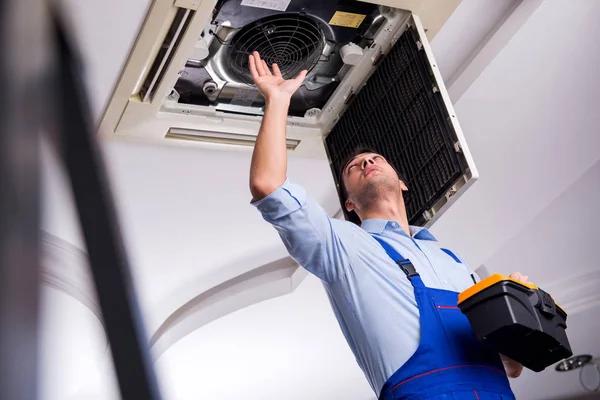
When dealing with heating, ventilation, and air conditioning (HVAC) systems, contractors often face the critical decision of whether to repair or replace a unit. This choice is influenced by several factors that ensure the most cost-effective and efficient outcome for both the contractor and the client.
One primary consideration is the age of the HVAC system. Generally, if a system is less than 10 years old, repair might be more feasible as modern units are designed to last longer with proper maintenance. Older systems may not have parts readily available or could lack energy efficiency compared to newer models. Thus, if a system has surpassed its expected lifespan—typically around 15-20 years—replacement might be more advisable due to potential future failures.
view the site extent of damage plays a crucial role in this decision-making process. Minor issues such as clogged filters or worn-out belts can usually be repaired easily and at low cost. However, significant problems like compressor failure or refrigerant leaks might warrant replacement instead of repair due to high costs associated with fixing these components.
Energy efficiency is another vital factor. If repairing an older unit doesn’t significantly improve its efficiency—or if it continues to consume excessive energy—it may not justify the investment in repairs over time. In contrast, newer models offer improved technology that enhances performance while reducing utility bills.
Cost considerations also heavily influence this decision. Contractors must weigh immediate repair costs against long-term savings from reduced energy consumption and fewer breakdowns when opting for replacement. Repairing an existing unit might seem cheaper upfront but could lead to recurring expenses if underlying issues persist or worsen over time.
Additionally, warranty coverage can sway decisions towards repair rather than replacement; many manufacturers provide extended warranties on parts which make repairs more appealing financially during covered periods.
Environmental impact cannot be overlooked either; replacing older systems with eco-friendly alternatives aligns well with growing consumer demand for sustainable solutions while meeting stricter regulations aimed at reducing carbon footprints globally.
Finally yet importantly is customer preference: some clients prefer maintaining their current equipment due mainly because they’re familiarized themselves already whereas others prioritize upgrading whenever possible so long it fits within budget constraints comfortably enough without compromising comfort levels indoors whatsoever!
In conclusion then there’s no one-size-fits-all answer here since each situation differs based upon unique variables involved including those mentioned above among others too perhaps thus requiring careful evaluation before arriving at any definitive course action accordingly!