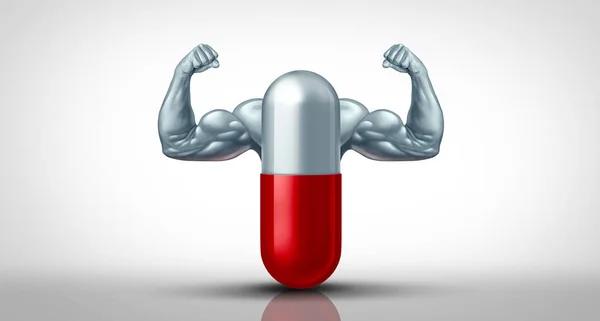
Testosterone, a vital hormone in the human body, plays a crucial role in various physiological processes such as muscle growth, bone density maintenance, and regulation of mood and energy levels. As individuals age or face certain health conditions, testosterone levels may decline, leading to symptoms like fatigue, depression, reduced libido, and decreased muscle mass. To address these concerns, many turn to testosterone replacement therapy (TRT). However, ensuring that this treatment is both safe and personalized is essential for optimal outcomes.
The journey towards safe TRT begins with a comprehensive evaluation by healthcare professionals. This typically involves blood tests to measure baseline testosterone treatment levels alongside assessments of overall health status. It’s crucial to identify whether low testosterone is indeed the root cause of the symptoms or if other underlying conditions might be at play. Once confirmed that TRT could be beneficial, healthcare providers can then design a treatment plan tailored specifically to the individual’s needs.
Personalization in TRT involves selecting the appropriate form of administration—be it injections, patches, gels or pellets—and determining the correct dosage. Each method has its own set of benefits and potential drawbacks; hence understanding patient preferences and lifestyle considerations becomes paramount in this decision-making process. For instance, some might prefer daily topical applications over bi-weekly injections due to convenience or comfort.
Monitoring throughout TRT is another cornerstone of safety and personalization. Regular follow-up appointments are necessary not only for adjusting dosages but also for monitoring potential side effects such as increased red blood cell count or changes in cholesterol levels. These check-ins allow healthcare providers to make informed decisions about continuing or modifying treatment protocols based on real-time data.
Moreover, integrating lifestyle modifications with TRT can significantly enhance results while promoting overall well-being. Encouraging patients to engage in regular physical activity helps maximize muscle gain and improve cardiovascular health—a critical aspect considering that heart disease risks can increase with improper hormone management. Additionally incorporating dietary adjustments ensures adequate nutrient intake supporting hormonal balance naturally.