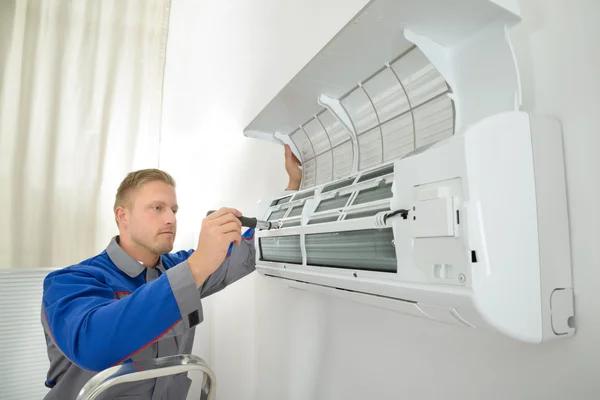
When your air conditioner runs but fails to cool effectively, it can be both frustrating and uncomfortable. While common issues like dirty filters or incorrect thermostat settings are often the culprits, there are lesser-known technical reasons that might be affecting its efficiency.
One such reason is refrigerant charge imbalance. The refrigerant is crucial for absorbing heat from your home and releasing it outside. If there’s too much or too little of it, the system won’t function properly. A low refrigerant level usually indicates a leak, which not only reduces cooling capacity but can also damage the compressor if left unaddressed.
Another overlooked factor is a malfunctioning expansion valve. This component regulates the flow of refrigerant into the evaporator coil based on demand. If it’s stuck or faulty, it can lead to improper cooling as either insufficient or excessive refrigerant enters the coil.
The condition of your air conditioner’s coils plays a significant role in its performance as well. Evaporator and condenser coils need to be clean for efficient heat exchange; however, they may become corroded over time due to exposure to moisture and contaminants. Corroded coils reduce efficiency by hindering proper heat transfer.
Additionally, electrical issues within the system could impede cooling capabilities without being immediately apparent. Faulty wiring or worn-out capacitors might cause components like fans or compressors to operate erratically or not at all, resulting in inadequate cooling despite an otherwise functional unit.
Airflow problems also contribute significantly to poor cooling performance. Blockages in ductwork due to accumulated dust and debris can restrict airflow throughout your home while leaks allow conditioned air to escape before reaching intended areas—both scenarios diminish overall effectiveness even when other parts seem operationally sound.
Moreover, environmental factors surrounding outdoor units shouldn’t be underestimated either; these systems rely heavily on sufficient ventilation around them so they don’t overheat during operation cycles—a situation exacerbated by proximity obstructions such as plants growing nearby blocking exhaust outlets needed for optimal function.
Finally yet importantly comes sensor malfunctions: modern ACs incorporate sensors monitoring various parameters ensuring balanced operations across different modes/settings chosen—but if misaligned/damaged/unresponsive altogether then expect erratic behavior affecting desired temperature control outcomes ultimately leading towards unsatisfactory experiences indoors!
In conclusion though many people focus primarily upon visible aspects regarding their HVAC setups whenever something goes awry remember sometimes less obvious underlying technicalities could very well hold key unlocking solutions restoring comfort back into everyday lives once explore more! Therefore consider consulting professionals who possess expertise diagnosing these nuanced challenges accurately addressing root causes promptly efficiently thereby prolonging lifespan maximizing potential investments made initially purchasing equipment itself!