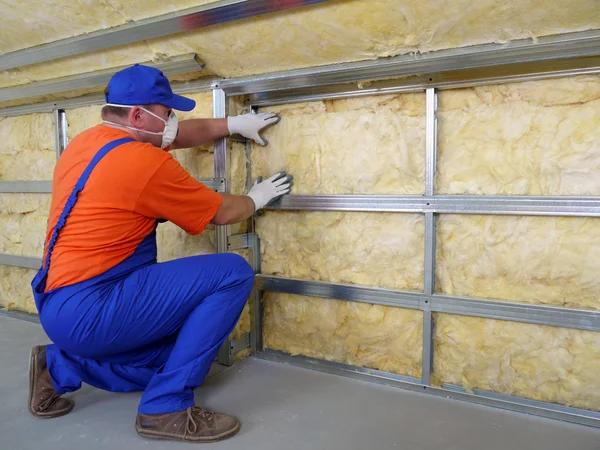
Spray foam insulation has become a popular choice among homeowners in Houston seeking to improve energy efficiency and comfort within their homes. Understanding the cost of spray foam insulation is essential for making informed decisions about home improvement investments. The price of spray foam insulation in Houston varies depending on several factors, including the size of the area to be insulated, the type of spray foam used, labor costs, and any additional preparation or cleanup required during installation.
There are two main types of spray foam insulation: open-cell and closed-cell. Open-cell spray foam is less dense and generally more affordable than closed-cell. It offers good air sealing properties but provides a lower R-value per inch compared to closed-cell spray foam insulation is denser, more rigid, and has a higher R-value per inch, meaning it provides better thermal resistance and moisture barrier capabilities but comes at a higher cost. In Houston’s humid climate, many homeowners opt for closed-cell spray foam due to its superior performance against moisture intrusion.
Typically, homeowners can expect to pay between $1.50 and $3.00 per square foot for open-cell spray foam insulation installed professionally in Houston homes. Closed-cell options usually range from $3.00 to $6.00 per square foot because of their enhanced qualities and material costs. These prices include both materials and labor but may fluctuate based on project complexity or specific contractor pricing structures.
The total cost depends heavily on how much space needs insulating; larger areas naturally lead to higher overall expenses but often result in lower per-square-foot rates as contractors benefit from economies of scale during installation. Attics tend to be common targets for spray foam upgrades since they contribute significantly to energy loss if poorly insulated or ventilated.
Additional factors influencing cost include accessibility challenges such as tight spaces or irregular surfaces that require extra time or specialized equipment for proper application by professionals experienced with local building codes and climate considerations.
While initial investment might seem substantial compared to traditional fiberglass batts or blown-in cellulose insulation alternatives, many Houston homeowners find that the long-term savings on utility bills justify choosing spray foam due to its superior air sealing properties reducing drafts and heat transfer effectively year-round.
Before committing financially, it’s advisable for homeowners in Houston interested in spray foam insulation to obtain multiple quotes from reputable local contractors who can assess specific needs accurately while providing transparent pricing details tailored specifically toward individual home characteristics.
In conclusion, understanding the nuances behind different types of spray foams available as well as regional market conditions will help make budgeting realistic when considering this highly effective form of home insulation designed especially with Texas weather patterns in mind.