
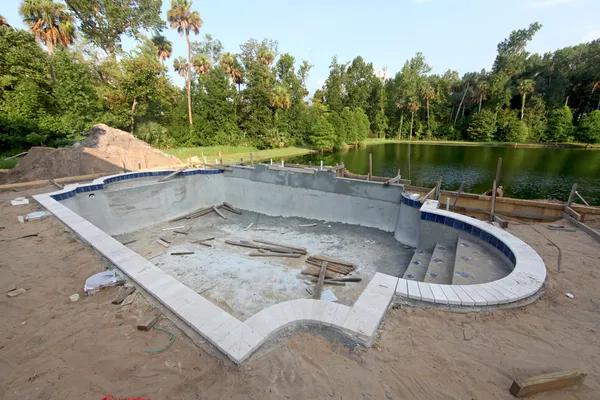
Selecting the right approach for custom swimming pool construction requires careful consideration of various factors to ensure the final result meets both aesthetic and functional needs. The process begins by defining your goals clearly, including how you intend to use the pool, whether for relaxation, exercise, entertainment, or a combination of these purposes. Understanding your lifestyle will guide decisions about size, shape, depth, and additional features such as spas or waterfalls.
Budget plays a crucial role in determining the scope of your project. Custom pools can vary widely in cost depending on materials chosen, complexity of design, and site conditions. Establishing a realistic budget early on helps narrow down options Nassau Pools and Spas prevents costly adjustments later. It is important to remember that investing in quality workmanship and durable materials often results in long-term savings by reducing maintenance expenses and extending the life of the pool.
Location is another significant factor influencing construction choices. The terrain of your property affects excavation requirements and drainage solutions while local climate impacts material selection and heating needs. For instance, areas with colder winters may benefit from heated pools or covers that extend usability through different seasons. Additionally, zoning laws and neighborhood regulations must be reviewed prior to starting construction to avoid legal complications.
Engaging an experienced pool contractor who specializes in custom designs ensures professional guidance throughout the project. Skilled builders can offer insights into innovative design elements that complement your home’s architecture while maximizing space efficiency. They also handle necessary permits and inspections required by local authorities.
Material options for custom pools include concrete, fiberglass, and vinyl liners-each offering distinct advantages based on durability, maintenance demands, installation timeframes, and customization potential. Concrete pools provide unmatched flexibility in shapes but typically require longer build times; fiberglass models are quicker to install with lower upkeep but come with limited size choices; vinyl-lined pools are cost-effective yet less durable over time compared to other options.
Incorporating energy-efficient technologies during construction contributes positively toward sustainability goals without compromising comfort or performance. Solar heating systems reduce operational costs while LED lighting enhances ambiance with minimal electricity consumption.
Ultimately, choosing the right approach involves balancing personal preferences with practical considerations such as budget constraints and environmental factors. Thorough research combined with expert consultation enables homeowners to create a tailored swimming experience that adds value to their property while delivering years of enjoyment underpinned by reliable craftsmanship.


