Mini split air conditioners have become increasingly popular due to their flexibility, efficiency, and convenience. These systems offer several features that distinguish them from traditional central air conditioning units and window models, making a tangible difference in comfort and energy savings. One of the most significant advantages is their ability to provide zoned cooling. Unlike central systems that cool an entire home uniformly, mini splits allow users to control temperatures in individual rooms or zones independently. This feature not only enhances comfort by catering to personal preferences but also reduces energy consumption since only occupied spaces are cooled.
Another important feature is the inverter technology commonly integrated into Mini Split AC ACs. Traditional air conditioners operate on an all-or-nothing basis, frequently turning on and off to maintain desired temperatures, which can lead to inefficient energy use and wear on components. In contrast, inverter-driven compressors adjust their speed continuously based on cooling demand. This results in more consistent temperature control while significantly lowering electricity usage and extending the lifespan of the system.
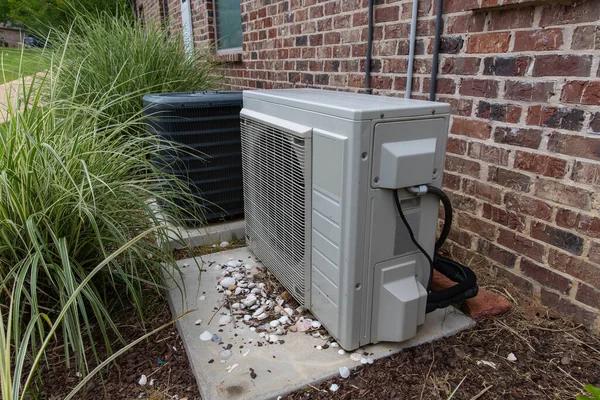
Installation flexibility also sets mini splits apart from other cooling options. Because these units do not require ductwork, they are ideal for homes without existing ducts or for additions where extending ductwork would be costly or impractical. The indoor unit mounts discreetly on walls or ceilings with only a small conduit connecting it to the outdoor compressor unit. This design minimizes space disruption during installation and preserves interior aesthetics.
Many modern mini split systems come equipped with advanced filtration capabilities that improve indoor air quality beyond simple temperature regulation. Filters can capture dust particles, allergens, bacteria, and even odors depending on the model’s sophistication. Some units include washable filters that reduce maintenance costs over time while promoting healthier living environments.
User-friendly controls contribute greatly to the appeal of mini splits as well. Remote controls often feature timers, sleep modes, adjustable fan speeds, and programmable settings tailored for different times of day or occupancy patterns. Smart connectivity is increasingly common too; Wi-Fi-enabled models allow users to monitor and adjust settings remotely via smartphone apps or integrate with home automation systems for seamless operation.
Finally, quiet operation is another valuable benefit offered by many mini split ACs compared to traditional window units or central systems with noisy blowers. The separation of indoor fan units from outdoor compressors helps keep noise levels low inside living spaces.
Overall, these combined features make mini split air conditioners an excellent choice for those seeking efficient cooling solutions without compromising comfort or convenience in diverse residential settings.