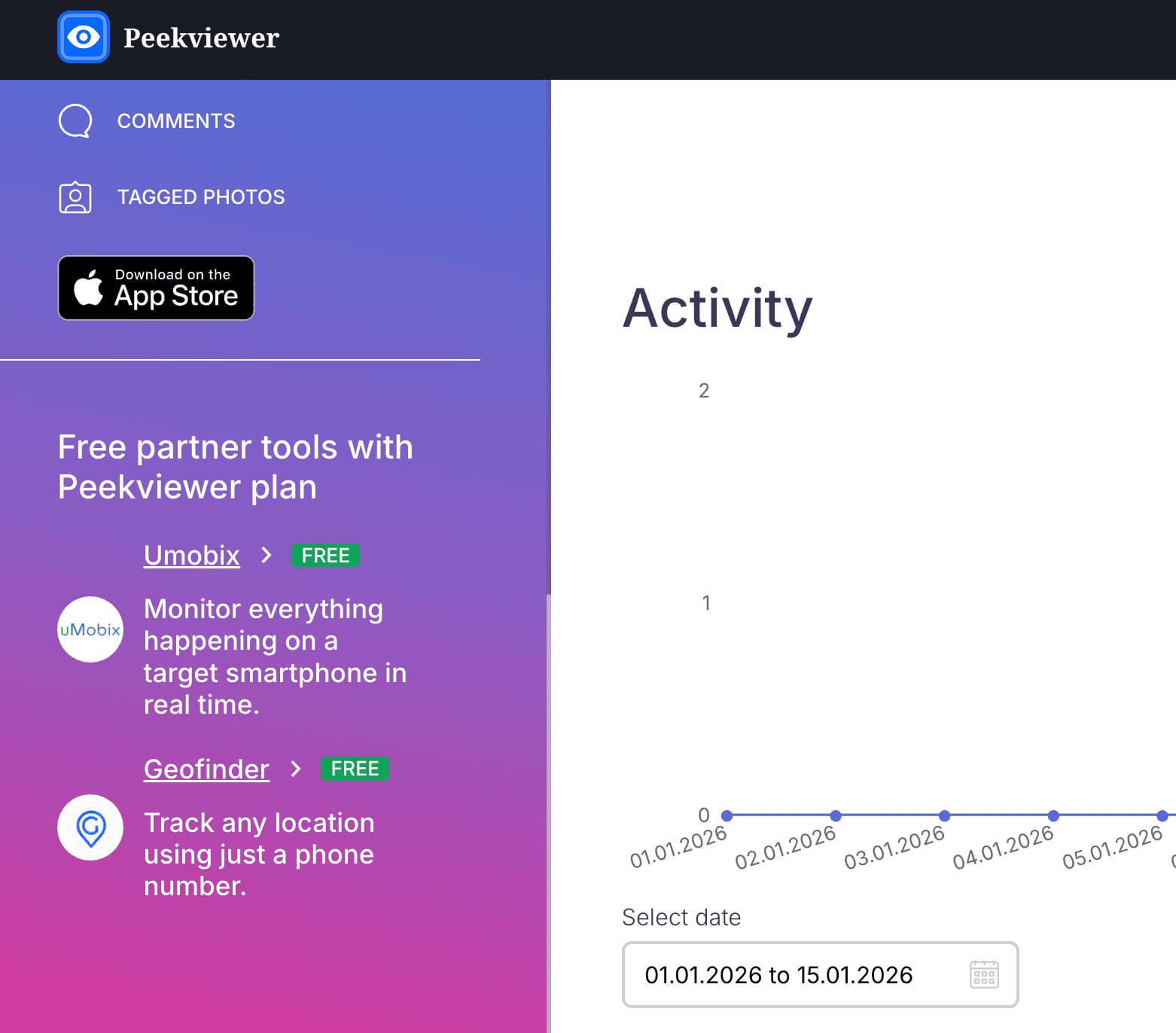
Peekviewer is an innovative web-based tool designed to facilitate the viewing and analysis of large-scale microscopy images. It caters primarily to researchers, scientists, and professionals who work extensively with high-resolution biological images. The platform’s core strength lies in its ability to manage and render complex image datasets efficiently, providing users with a seamless experience even when dealing with gigapixel-sized images.
One of the standout features of Peekviewer is its intuitive user interface. The design emphasizes simplicity without compromising functionality, allowing users to navigate through intricate image layers effortlessly. This ease of use significantly reduces the learning curve often associated with advanced imaging software. Users can zoom in and out smoothly, pan across vast image areas, and switch between different channels or staining methods quickly. These capabilities are crucial for detailed examination and comparison tasks in histology or pathology research.
Performance-wise, Peekviewer review demonstrates impressive speed and responsiveness. Unlike traditional desktop applications that may struggle with memory limitations when handling extremely large files, Peekviewer leverages cloud computing resources effectively. This approach not only enhances loading times but also ensures consistent performance regardless of the user’s local hardware specifications. Additionally, the platform supports various file formats commonly used in microscopy imaging, which adds flexibility for users working across different instruments or laboratories.
Another notable aspect is Peekviewer’s collaborative features. Researchers can share specific views or annotations directly through generated links without requiring recipients to install any software locally. This capability fosters better communication among team members and accelerates decision-making processes during experimental workflows or diagnostic evaluations.
Security measures within Peekviewer are robust as well; data transmission employs encryption protocols ensuring sensitive information remains protected during online sessions. Furthermore, the developers regularly update the platform based on user feedback and technological advancements-this commitment to continuous improvement reflects positively on both reliability and future-proofing prospects.
However, no tool is without limitations. Some users have reported occasional latency issues when accessing extremely large datasets from regions with poor internet connectivity-a challenge inherent to all cloud-dependent services rather than a specific flaw in this application alone. Moreover, while Peekviewer covers most standard needs adequately, highly specialized customization options might require integration with other dedicated software solutions tailored for niche requirements.
In conclusion, Peekviewer stands out as a powerful yet accessible solution for managing high-resolution microscopy images over the web. Its combination of user-friendly interface design, strong performance backed by cloud infrastructure, versatile format support, collaborative tools, and security considerations make it an excellent choice for scientific communities focused on visual data analysis. As digital imaging continues evolving rapidly within life sciences research fields globally; platforms like Peekviewer play a vital role in enhancing productivity while maintaining accuracy throughout investigative procedures involving complex visual datasets.