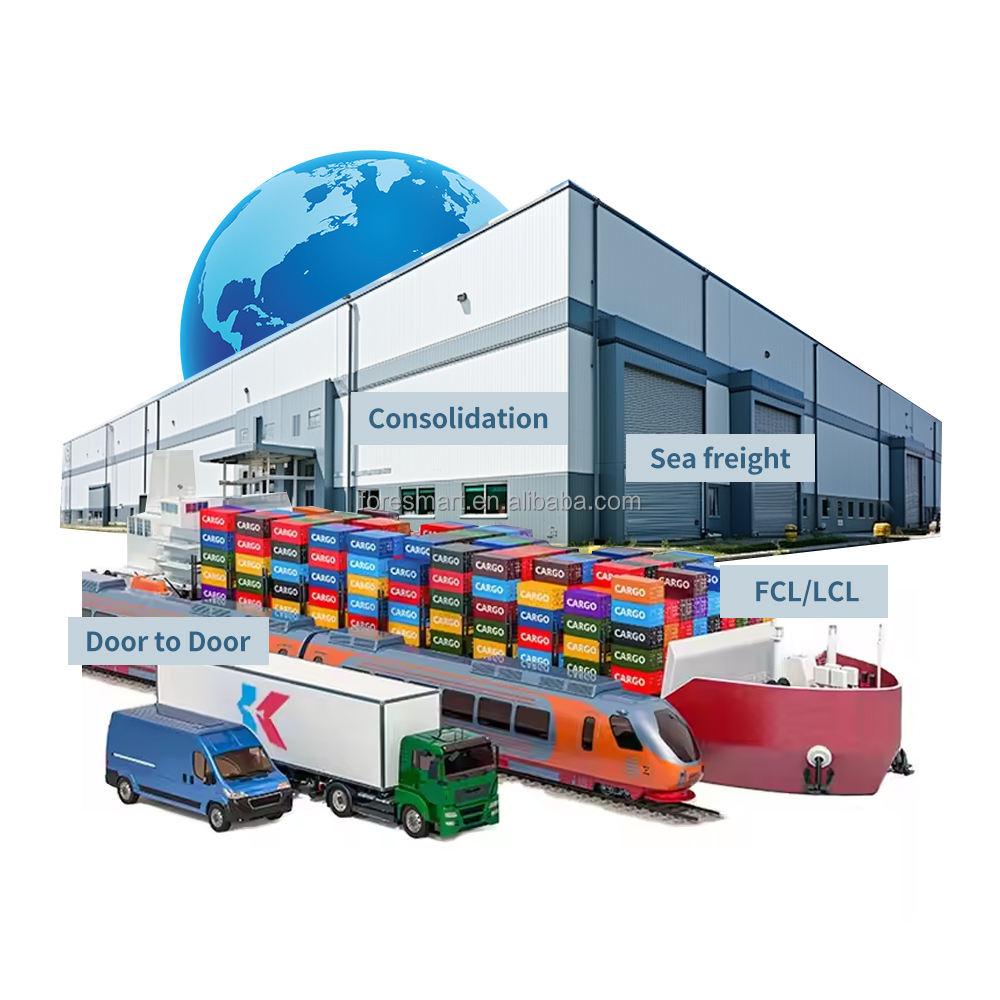
The future outlook for Winnipeg shipping companies in global logistics appears promising as the city continues to strengthen its strategic position within North America’s transportation network. Winnipeg’s central location in Canada makes it an essential hub for distributing goods across the country and into the United States, providing shipping companies based there with significant opportunities to expand their reach. The city benefits from well-developed infrastructure, including major rail lines, highways, and proximity to key airports, which facilitates efficient movement of cargo. As global trade patterns evolve, these assets will be increasingly valuable for shipping firms aiming to optimize supply chains and reduce transit times.
Technological advancements are expected to play a crucial role in shaping the future landscape of Winnipeg’s shipping industry. Automation, data analytics, and digital tracking systems will enhance operational efficiency by enabling real-time monitoring of shipments and predictive maintenance of equipment. Shipping companies that invest in these technologies can improve service reliability while lowering costs associated with delays or damages. Additionally, adopting sustainable practices through fuel-efficient vehicles and alternative energy sources aligns with growing environmental regulations worldwide. This shift not only supports corporate social responsibility but also appeals to clients seeking greener logistics partners.
Global economic trends also influence prospects for Winnipeg-based shippers. The rise of e-commerce has increased demand for fast and flexible delivery solutions across international borders. Companies positioned in Winnipeg can leverage cross-border trade agreements between Canada and other countries to facilitate smoother customs clearance processes. Moreover, diversification into emerging markets may open new revenue streams as businesses seek reliable logistics providers capable of navigating complex global supply chains.
Challenges remain that require careful management by local shipping firms. Competition from larger port cities with direct ocean access could limit growth potential unless Winnipeg companies focus on niche services or integrated multimodal transport solutions combining rail, road, air freight, and warehousing capabilities effectively. Workforce development is another critical factor; investing in skilled labor familiar with cutting-edge logistics technologies ensures adaptability amid rapid industry changes.
Collaborations between private enterprises and government initiatives aimed at enhancing infrastructure resilience will further support expansion efforts by addressing bottlenecks such as congestion or capacity constraints at key terminals. By fostering innovation ecosystems involving startups specializing in logistics technology alongside established carriers operating out of Winnipeg, the region can maintain competitiveness on a global scale.
In summary, Winnipeg shipping companies stand poised to benefit from their geographic advantages coupled with technological adoption and strategic partnerships within an evolving international trading environment. Those able to navigate regulatory complexities while embracing sustainability trends will likely experience sustained growth opportunities over the coming decade within global logistics networks centered around this vital Canadian hub.